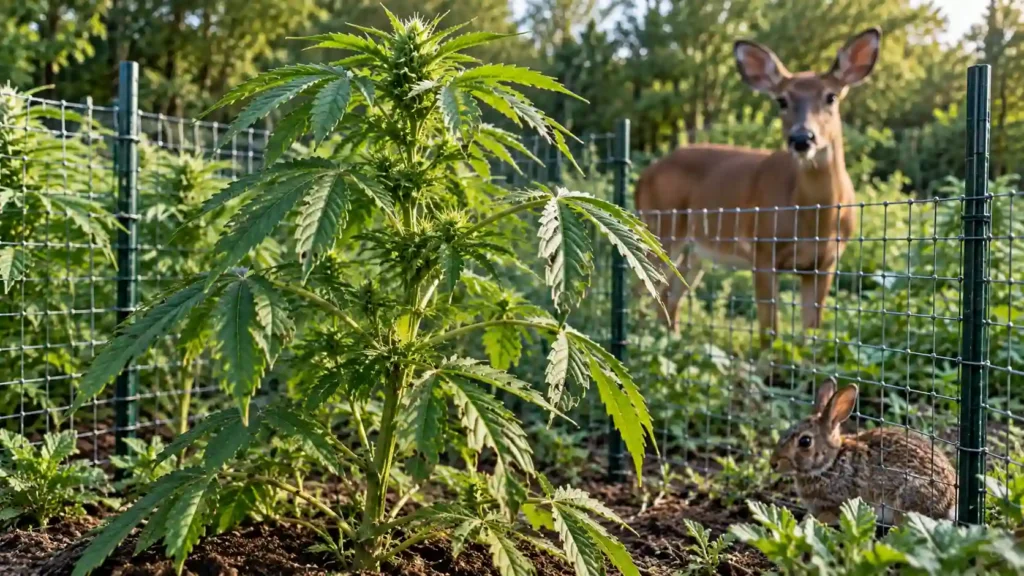
If you grow cannabis plants outdoors, you have probably already noticed that nature does not care much about your hard work. One morning you walk out to check on your plants, and something has clearly been nibbling at the leaves or worse, chewed a whole stem down to the ground. It is frustrating, and it raises an obvious question: what exactly is eating your cannabis plants, and how do you stop it?
This article is going to answer that clearly. We will cover which animals are most likely responsible, why they target cannabis plants in the first place, how to identify the damage, and what practical steps you can take to protect your garden. No fluff, no guesswork just real, experience-based guidance.
Legal disclaimer: Cannabis cultivation laws vary significantly by country, state, and region. Always check your local laws before growing cannabis plants. This article is for educational and informational purposes only.
Do Animals Actually Eat Cannabis Plants?
Short answer: yes, many animals will eat cannabis plants, though it varies by species and situation.
Cannabis is a plant like any other. It has leaves, stems, roots, and nutrients that are attractive to foraging animals especially in areas where natural food sources are limited or seasonal. The fact that cannabis contains cannabinoids does not make it particularly off-putting to most wildlife. Animals are not evaluating plants the way humans do. They are looking for moisture, calories, and nutrition, and cannabis can provide all three.
That said, some animals are more likely offenders than others. The most commonly reported culprits are deer, rabbits, and squirrels, though you may also encounter groundhogs, mice, voles, caterpillars, and even slugs depending on your location.
Which Animals Are Most Likely to Damage Cannabis Plants?
Deer
Deer are one of the most destructive visitors your outdoor cannabis garden can attract. They are large, bold, and can consume significant amounts of plant material in a single visit often overnight. A deer will not just nibble; it will strip branches, snap stems, and leave behind a plant that looks like it went through a shredder.
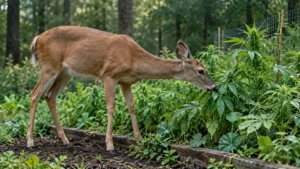
Do deer eat cannabis plants? Yes, they do, particularly when other food is scarce. During late summer or fall, when natural vegetation dries out, cannabis plants become relatively attractive because they stay green and lush longer than many surrounding plants. Deer tend to browse from the top down, so you will often notice the upper growth is missing or heavily damaged while lower leaves remain intact.
Signs of deer damage include:
- Ragged, torn edges on leaves and stems (deer do not have upper front teeth, so they rip rather than cut cleanly)
- Broken or bent main stems
- Hoof prints in soft soil around the plant
- Droppings nearby
Rabbits
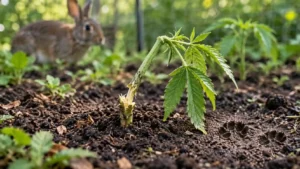
Rabbits are a different kind of problem. They tend to go after younger, smaller plants and often focus on the base of stems rather than leaves. A rabbit can chew through a small cannabis seedling in minutes. If you come out to find a young plant cut cleanly at the base almost like someone used scissors a rabbit is often the cause.
Do rabbits eat cannabis plants? Absolutely. Rabbits are opportunistic grazers. They are especially active at dawn and dusk, and they target low-growing vegetation. Cannabis seedlings and young plants are highly vulnerable.
Signs of rabbit damage include:
- Clean, angled cuts at the base of stems
- Damage concentrated near the ground (usually below 18 inches)
- Small round droppings nearby
- Tunneling or worn paths near the garden bed
Squirrels
Squirrels are more of a nuisance than a serious threat in most cases, but they can still cause real damage especially to younger plants and seeds. They dig around root zones, chew on stems, and sometimes pull young plants out of the ground entirely.
Do squirrels eat cannabis plants? They will chew on stems and sample leaves, though they are more commonly a problem during the germination phase when seeds are accessible. Squirrels tend to dig up freshly planted seeds searching for food, which can destroy seedlings before they even have a chance to establish.
Signs of squirrel damage include:
- Digging around the base of plants
- Missing seedlings or disturbed seed beds
- Bite marks on lower stems
- Evidence of burrowing or scratching around the soil
Other Animals Worth Knowing About
Groundhogs (woodchucks) are heavy-bodied rodents that can do serious damage to a cannabis garden. They eat almost anything green and can wipe out multiple plants in a single feeding session. Mice and voles mostly target roots and lower stems, often causing damage that is invisible above soil until the plant collapses. Slugs and snails are not animals in the traditional sense, but they are worth mentioning they leave irregular holes in leaves and favor damp conditions.
Why Do Animals Target Cannabis Plants?
The simple answer is that cannabis is a nutritious, fast-growing plant. It contains protein, fats, and moisture all things that foraging animals need. Young cannabis plants are especially soft and tender, making them easy to chew and digest.
There is also the matter of smell. Cannabis plants produce terpenes, which are aromatic compounds that give the plant its distinctive scent. While humans may find this appealing or interesting, animals use scent to locate food, and the strong odor can actually attract curious grazers rather than repel them.
Some growers assume that cannabinoids the compounds that make cannabis pharmacologically active will deter animals. The reality is more complicated. Animals lack the same endocannabinoid receptor density that humans have, particularly in the brainstem, which means cannabis compounds do not affect most wildlife the same way they affect people. Most animals will eat cannabis without any noticeable behavioral changes, according to research on animal endocannabinoid systems and comparative physiology.
How to Identify Animal Damage vs. Other Problems
Before you set up fencing or traps, make sure animals are actually the problem. Cannabis plant damage can also come from insects, nutrient deficiencies, fungal infections, or environmental stress. If you are unsure, it helps to have a broader understanding of common issues the Cannabis Plant Problems & Solutions: Complete Troubleshooting Guide covers many of these scenarios in detail.
Here is a quick breakdown to help you differentiate:
Animal damage usually looks like:
- Missing sections of leaves or whole leaves torn off
- Stems chewed, bent, snapped, or cut at the base
- Visible tracks, droppings, or digging around plants
- Damage appears suddenly overnight or over a very short period
Insect damage usually looks like:
- Small holes in leaves, often uniform in size
- Sticky residue or webbing on leaves
- Yellowing or stippling patterns on leaf surfaces
- Gradual progression over several days or weeks
Nutrient problems usually look like:
- Yellowing or browning that follows specific patterns (often starting at leaf edges or tips)
- No physical damage to the structure of the plant
- No visible signs of visitors
If you notice your cannabis plant is also drooping after animal activity, that could indicate root disturbance or stem damage this is covered in depth in a guide on Why Is My Cannabis Plant Drooping?
How to Protect Cannabis Plants from Animal Damage
Now for the practical part. There is no single solution that works for every situation, but combining a few methods gives you the best protection.
1. Physical Barriers The Most Reliable Method
For deer, the most effective barrier is a fence. Deer can jump high, so a standard garden fence is often not enough. A fence that is at least 8 feet tall will stop most deer, though a slanted fence (angled outward at roughly 45 degrees) at 6 feet can also be effective since deer are reluctant to jump over something that angles toward them.
For rabbits and other smaller animals, a wire mesh fence with openings no larger than 1 inch is the standard recommendation. Bury the bottom edge at least 6 inches underground and bend it outward underground to prevent animals from digging beneath it. Hardware cloth works better than chicken wire for long-term durability.
For individual plants, cages made from wire mesh or tomato-cage-style frames offer simple, affordable protection. This works well for protecting seedlings during their most vulnerable early weeks.
2. Repellents Useful but Require Consistency
Commercial animal repellents work by creating scents or tastes that deter foraging animals. Products containing predator urine (coyote, fox, or wolf urine) can discourage deer and rabbits. Hot pepper sprays applied directly to plants can deter most mammals that try to nibble.
The problem with repellents is that they wash off in rain and need to be reapplied regularly. They also tend to lose effectiveness over time as animals habituate to the smell. Repellents work best as a supplementary measure alongside physical barriers, not as a standalone solution.
3. Motion-Activated Deterrents
Motion-activated sprinklers, lights, or sound devices can effectively startle animals and discourage them from returning. These work particularly well for deer, which are naturally cautious. Sprinklers are generally considered more effective than noise or light deterrents because animals adapt to predictable stimuli more slowly when they involve physical sensation.
The downside is cost and maintenance, but for larger outdoor grows, they offer a hands-off approach once installed.
4. Companion Planting
Certain plants are known to repel grazing animals through their scent. Lavender, rosemary, sage, and mint are commonly cited as deer-resistant plants that may help deter browsing near a cannabis garden when planted as a border. However, this method is supplementary at best and not reliable on its own in areas with high deer pressure.
5. Garden Hygiene and Plant Placement
Keeping your garden tidy reduces habitat for smaller rodents like mice and voles. Removing debris piles, dense ground cover, and woodpiles near your growing area eliminates shelter for animals that might otherwise establish a base near your plants.
Placement also matters. Growing cannabis in a raised bed or elevated container makes it harder for ground-dwelling animals like rabbits and groundhogs to access the plants. Combining raised beds with wire mesh skirting offers excellent protection against burrowing species.
Common Beginner Mistakes When Dealing with Animal Damage
Waiting to see if the damage gets worse. Animal pressure rarely decreases on its own. If a deer or rabbit finds your plants once, it will come back. Act immediately when you notice the first signs of damage.
Relying on repellents alone. Many new growers buy a spray, apply it once, and consider the problem solved. Repellents fade and lose effectiveness. Always pair them with at least one physical method.
Using fencing that is too small or too flimsy. Deer will push through weak fencing. Rabbits will dig under it. Invest in proper materials from the start. For a broader view of how plant care decisions interconnect, the Cannabis Plant: Complete Beginner to Advanced Guide is a useful resource.
Ignoring underground threats. Voles and mice can destroy root systems without you ever seeing them above ground. If your plant suddenly wilts or collapses without an obvious above-ground cause, consider checking for root damage.
Pro Tips Based on Real Growing Experience
- Check your plants in the early morning. Most animal damage happens at dawn, dusk, or overnight. Morning inspections catch fresh damage and give you better clues about what animal is responsible.
- Set up a simple trail camera near your garden if you are not sure what is causing the damage. A basic motion-triggered camera tells you exactly what you are dealing with, which helps you choose the right protection method.
- Protect seedlings first. Young plants in their first two to four weeks are by far the most vulnerable. A simple wire cage around each seedling costs very little and dramatically reduces early losses.
- Understand your local wildlife. If deer are common in your area, prioritize tall fencing. If you live somewhere with a high rabbit population, focus on low-to-ground barriers. Knowing your environment shapes your strategy. Resources like the University of California’s Integrated Pest Management program (https://ipm.ucanr.edu) offer region-specific wildlife guidance for home gardeners.
- For growers dealing with a combination of insect pests and animal damage, the National Pesticide Information Center (https://npic.orst.edu) provides safety guidance on pest control products for plants.
Important Considerations
Protecting Without Harming Wildlife
Trapping or harming wildlife is regulated by law in most places. Even if an animal is damaging your property, you may not have the legal right to trap and relocate or kill it without proper authorization. Always check local wildlife regulations before taking action beyond deterrents and fencing. Humane deterrence is almost always the right approach both legally and practically.
Keeping Grow Areas Secure
If you are growing in a region where cannabis cultivation is legally permitted, maintaining a secure grow area is not just about protecting plants from animals. It is also a compliance consideration. Proper fencing and enclosures serve multiple functions.
Plant Health and Recovery
A plant that has experienced significant animal damage is under stress. After securing the area, focus on supporting recovery through appropriate watering, nutrition, and care. Understanding How to Care for a Cannabis Plant can help you give damaged plants the best chance of bouncing back. If growth seems to stall after damage, it may also be worth reading up on [Why Is My Cannabis Plant Not Growing] to rule out related issues.
Frequently Asked Questions
Do deer eat cannabis plants even if they are nearby other food sources?
Deer are opportunistic and will often sample cannabis plants even when other vegetation is available, especially during dry or cold months. Once they identify your garden as a food source, they tend to return regularly. A physical barrier is the most reliable long-term solution.
Can rabbits kill a cannabis plant completely?
Yes, particularly if the plant is young. A rabbit that chews through the main stem at the base can kill a seedling or small plant quickly. Larger, more established plants can recover from partial grazing but may be set back significantly. Protecting plants during the first month of growth is especially important.
Do squirrels eat cannabis seeds or only the plants?
Squirrels will dig up and eat freshly planted seeds, which can be a bigger problem than damage to established plants. Covering seed beds with wire mesh or starting seeds indoors avoids this issue entirely.
Will strong-smelling cannabis plants repel animals naturally?
There is a common belief that the smell of cannabis deters wildlife. In practice, the scent does not reliably repel deer, rabbits, or most other animals. Some individual animals may avoid particularly pungent plants, but this is inconsistent and should not be relied upon as a protection strategy.
What is the best all-around protection method for outdoor cannabis gardens?
A combination of physical barriers and motion-activated deterrents provides the most reliable protection. For most growers, installing a wire mesh fence buried underground, paired with a motion-activated sprinkler, covers the majority of common animal threats. Repellents can supplement this but should not replace it.
Final Thoughts
Animals eating cannabis plants is a genuine and common challenge for outdoor growers. Deer, rabbits, and squirrels are the most frequent offenders, but the specific threats you face depend on where you are growing. The good news is that protecting your plants is entirely manageable once you understand what you are dealing with.
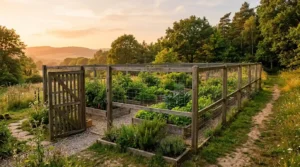
The key is to act early, use physical barriers as your primary defense, and not rely on any single method alone. Identifying damage correctly, understanding the behavior of local wildlife, and putting even basic fencing in place can make the difference between a healthy harvest and a garden that gets picked apart before it reaches maturity.
For a more complete picture of outdoor plant care and troubleshooting, the resources at Cannabis Plant Care offer practical, experience-based guidance that builds on everything covered here. Taking the time to set up proper protection from the start is always easier than trying to salvage a garden that has already been heavily damaged.
Stay observant, act quickly when you see the first signs of trouble, and your plants will have a much better chance of making it through the season.
Identify the animal from damage patterns and physical signs, prioritize physical exclusion, treat repellents and motion devices as supplementary, and avoid harming or relocating wildlife without checking local rules.
Sources:
Wildlife damage and identification
-
University of Florida IFAS Extension — identifying wildlife damage This supports using droppings, tracks, and feeding height to identify deer, rabbits, squirrels, mice, rats, and other animals. It is especially useful for the article’s identification section. How to Identify the Wildlife Species Responsible for Damageask.ifas.ufl
-
Nebraska Extension — rabbit damage This supports rabbit tracks, pea-sized droppings, and the distinction between rabbit and squirrel signs. Managing Rabbit Damageextensionpubs.unl
-
University of Arkansas Extension — deer damage This supports the statement that deer lack upper incisors and therefore tear vegetation rather than making the clean cuts typically associated with rabbits or rodents. It also supports increased browsing when natural food becomes less available. Deer Damage to Plantsuaex.uada
-
University of Minnesota Extension — animal damage This provides general guidance on recognizing and preventing animal browsing and supports using sturdy fencing and buried mesh to reduce damage from small burrowing animals. Winterizing Plants: Animal Damageextension.umn
Protection and deterrence
-
Penn State Extension — large garden pests This is the best source for several practical recommendations in the article. It supports:
-
approximately 8-foot fencing for deer;
-
low fencing for rabbits;
-
bending or extending the lower fence section to discourage digging;
-
repellents as temporary or supplementary measures;
-
motion-triggered water sprays as a possible deterrent, with limited or short-term effectiveness.
-
-
Penn State Extension — wildlife nuisance and damage This supports monitoring for signs of wildlife damage and combining observation with exclusion or repellents. Wildlife Nuisance and Damageextension.psu
-
Penn State Extension — critter control This provides additional guidance on deer, rabbits, groundhogs, fencing, buried barriers, motion-sensitive water sprays, and commercial repellents. Critter Controlextension.psu
Slugs, snails, and caterpillars
-
UC Statewide Integrated Pest Management Program — snails and slugs This supports the article’s statements about irregular leaf holes, nighttime feeding, hiding places, sanitation, hand-picking, and copper barriers. Snails and Slugs: Home and Landscapeipm.ucanr
-
UC IPM — caterpillars This supports the statement that caterpillars chew irregular holes and may consume leaves, shoots, buds, or entire seedlings. Caterpillarsipm.ucanr
-
UC IPM — identifying invertebrate damage This is useful for distinguishing chewing, stippling, yellowing, webbing, and other insect-related symptoms from larger-animal browsing. Identifying Invertebrate Damage on Leavesipm.ucanr
Legal and pesticide guidance
-
National Pesticide Information Center Use NPIC for the article’s general pesticide-safety statement. It should not be cited as proof that every commercial repellent is safe for cannabis or edible crops. Product labels and local regulations control that question. National Pesticide Information Center
-
UC Integrated Pest Management UC IPM is appropriate for the article’s broader pest-identification and nonchemical-management recommendations. UC Integrated Pest Management
Editorial conclusion
The article’s core practical message is supportable:
Identify the animal from damage patterns and physical signs, prioritize physical exclusion, treat repellents and motion devices as supplementary, and avoid harming or relocating wildlife without checking local rules.
The portions requiring the most caution are the claims about cannabis nutrition,