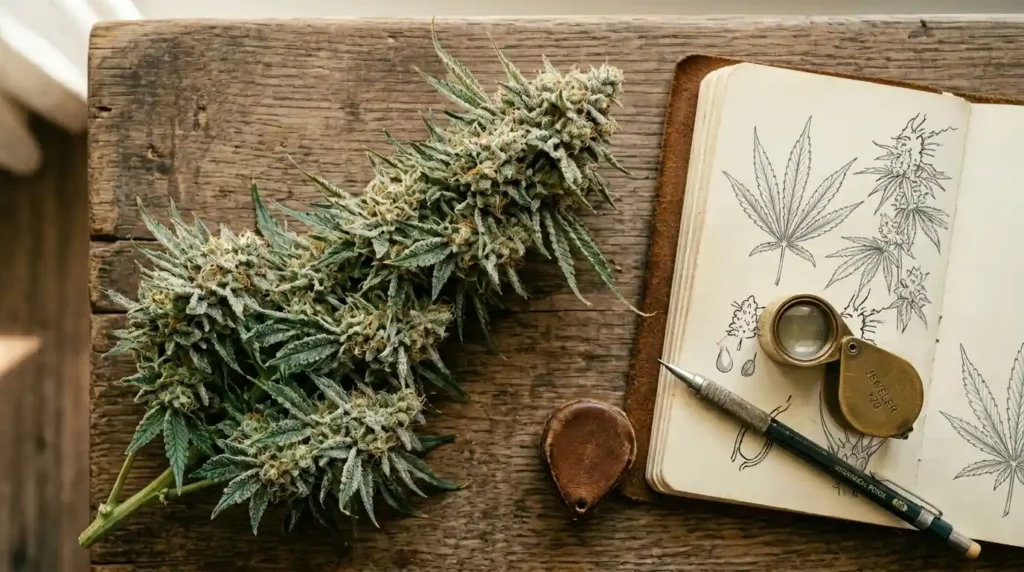
Timing is everything in gardening. Harvest too early, and you lose out on the full potential of weeks of careful work. Wait too long, and the plant starts to decline. Cannabis is no different — in fact, harvest timing is one of the most discussed topics among hobby growers because getting it right takes a bit of knowledge, a bit of patience, and a keen eye.
If you have been wondering when cannabis plants are ready to harvest, you are in the right place. This guide breaks it all down in plain language — no complicated jargon, no guesswork. By the end, you will know exactly what signs to look for, what tools help, and what mistakes to avoid.
Understanding the Cannabis Growth Cycle First
Before jumping straight to harvest signs, it helps to understand where harvesting fits in the overall life of the plant. Cannabis goes through several distinct stages: germination, seedling, vegetative, and flowering. The flowering stage is the final phase before harvest, and it is during this window that the plant produces its characteristic buds.
If you want a deeper look at each of these phases, the Cannabis Growth Stages and Harvest Guide: Complete Beginner’s Overview is a helpful reference to bookmark.
Most cannabis strains spend anywhere from 7 to 12 weeks in the flowering stage before they are ready to harvest. Autoflowering varieties tend to be faster. Photoperiod strains take longer and depend on light schedules to trigger flowering.
Think of it like baking bread. You can follow a timer, but the real test is when you tap the loaf and listen, or when you smell that unmistakable aroma. Cannabis harvesting works the same way — the calendar gives you a rough window, but the plant tells you the exact moment.
Key Signs That Cannabis Plants Are Ready to Harvest
There are three main methods growers use to determine harvest timing. Most experienced growers use all three together for the most accurate read.
1. Checking the Trichomes (The Most Reliable Method)
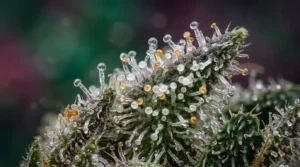
Trichomes are tiny, crystal-like structures that cover the buds and surrounding leaves. Under magnification, they look like small mushrooms with a round head on a stalk. The color of the trichome head is your most reliable harvest signal.
Here is what the colors mean:
- Clear or translucent: The plant is not ready. Trichomes are still developing.
- Milky white or cloudy: The plant is approaching peak ripeness. Many growers consider this the beginning of the harvest window.
- Amber: The plant has passed peak ripeness. A higher percentage of amber trichomes means the plant is on the decline.
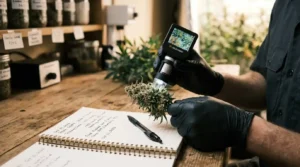
Most growers aim for a mix of mostly cloudy trichomes with about 10 to 30 percent amber, depending on the desired outcome. To see trichomes clearly, you will need at minimum a jeweler’s loupe with 30x to 60x magnification. A digital microscope or handheld scope makes this even easier.
According to the Royal Queen Seeds guide on trichomes, trichome inspection is widely regarded as the gold standard for harvest timing among experienced cultivators.
2. Checking the Pistils (Easier to See, Less Precise)
Pistils are the hair-like structures that grow out of the buds. Early in flowering, they are white and wispy. As the plant matures, they begin to darken and curl inward, turning orange, red, or brown.
A common rule of thumb: when about 70 to 90 percent of the pistils have darkened and curled, the plant is in the harvest window. This is easier to observe with the naked eye than trichomes, so beginners often rely on this method first.
That said, pistil color alone is not always accurate. Environmental stress, insects, or physical damage can cause pistils to darken early without the plant actually being ready. Use pistils as a starting signal, then confirm with trichome inspection.
3. Following the Breeder’s Timeline
Every cannabis strain comes with a suggested flowering time from the seed bank or breeder. This is usually listed as a range — for example, “8 to 10 weeks of flowering.” This is your baseline reference.
Mark the date when your plant first shows signs of flowering, then count forward. When you are approaching the end of that window, start checking trichomes and pistils more frequently. Do not rely solely on the calendar, but do use it as a guide.
Step-by-Step: How to Determine Harvest Timing
Here is a practical walkthrough for checking whether your plant is ready:
Step 1: Note your flowering start date. Write it down. Count from this date using the breeder’s recommended flowering time to establish your target window.
Step 2: Begin monitoring pistils around week 6 or 7 of flowering. Look at the buds and observe the color and curl of the hair-like pistils. If most are still white and straight, the plant needs more time.
Step 3: When 60 to 70 percent of pistils have darkened, get your magnification tool. This is your cue to start trichome checks.
Step 4: Examine trichomes on the buds themselves (not the leaves). Take a small snip of a bud if needed. Look at the trichome heads under your loupe or microscope.
Step 5: Observe the trichome color ratio. If you see mostly clear trichomes, wait. Mostly cloudy with some amber means you are in the sweet spot for most growers. Predominantly amber indicates the plant is past its peak.
Step 6: Check daily during this final window. Things can shift quickly in the last week or two.
Step 7: Flush your growing medium (if using soil or other media). Many growers flush with plain water for 1 to 2 weeks before harvest to clear out any residual nutrients. This is optional and debated among growers, but it is a common practice.
Step 8: Harvest when your target trichome ratio is reached. For most situations, a mostly cloudy with some amber mix is the sweet spot.
For a detailed walkthrough of the actual cutting and trimming process, the guide on How to Cut Cannabis Plants for Harvest covers the technical steps clearly.
Environmental Signs That Signal the Plant Is Finishing
The plant itself communicates in other ways too. In the final weeks before harvest, you may notice:
- Yellowing of lower and fan leaves. This is normal as the plant pulls nutrients from leaves into the buds. Do not panic and add more fertilizer — this is a natural part of the ripening process.
- Leaves starting to curl or drop. Again, this is the plant shutting down non-essential systems.
- Intensified aroma. The terpene profile of cannabis buds becomes most pronounced as the plant approaches peak ripeness. A noticeably stronger smell is often a good sign.
- Swelling buds. The final weeks often see significant bud development as the plant pushes its last energy into reproduction.
These environmental cues are supporting evidence, not standalone indicators. Always pair them with trichome and pistil checks.
Pro Tips from Experienced Growers
Stop adding nutrients in the final 1 to 2 weeks
Once you have confirmed you are in the harvest window, most growers stop feeding nutrients entirely and switch to plain, pH-balanced water. Overfeeding late in the cycle is a common beginner mistake that can affect the quality of the final product.
Do not harvest based on smell alone
A strong smell is exciting, but it does not tell you about trichome development. Always verify with magnification. Some strains smell intensely weeks before they are actually ready.
Harvest in the morning
Many experienced growers prefer to harvest early in the day, before lights come on (for indoor grows) or before the sun is at full strength (for outdoor grows). The idea is that terpene content is highest at this point in the daily cycle.
Be patient with the last two weeks
The last 1 to 2 weeks of flowering often account for a significant portion of bud development. Many beginners harvest too early because they get impatient. Resist the urge. Let the plant finish.
Keep a grow journal
Track your flowering start date, your observations each week, and any changes you notice. This is invaluable when growing the same strain again. It also helps you spot patterns and improve your timing over time.
Common Beginner Mistakes to Avoid
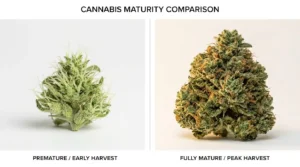
Harvesting too early: This is the most common error. Trichomes that are still mostly clear mean the plant has more developing to do. Early harvesting cuts the process short.
Relying only on the calendar: The breeder’s timeline is a guideline, not a rule. Grow conditions, temperature, humidity, and genetics all affect how quickly a plant finishes. Some plants run fast; others are slow.
Checking leaves instead of buds: Trichomes on sugar leaves mature faster than those on the buds themselves. Always sample from the actual bud to get an accurate read.
Confusing stress with ripeness: Heat stress, pest damage, and nutrient deficiencies can cause pistils to darken and leaves to yellow before the plant is truly ready. Cross-check with trichomes.
Skipping the flush: Even if you are not fully convinced by the science behind flushing, it does no harm and is a widely practiced precaution during the final weeks.
Important Considerations
Grow environment matters
Temperature, humidity, lighting, and air circulation all affect how your plant develops and when it finishes. Outdoor grows are heavily influenced by seasonal changes, and harvest timing in that context is also tied to your local climate. Most outdoor cannabis plants in the Northern Hemisphere are ready between September and November.
Legal awareness
As mentioned at the start of this article, cannabis cultivation is not legal everywhere. Even in places where it is permitted, there are often rules around plant counts, where you can grow, and who can grow. Before starting any cannabis plant project, research the laws in your specific location. This article is intended for educational purposes only and does not encourage any activity that is not lawful in your jurisdiction.
Storage after harvest
Harvesting is just the first step. Proper drying and curing after harvest are equally important for the long-term quality of the plant material. According to Leafly’s guide on curing cannabis, a slow, controlled cure in glass jars at the right humidity level significantly improves the final product.
For a complete overview of the post-harvest process, the guide on How to Harvest Cannabis Plants provides a useful follow-up read.
Quick Summary: Harvest Timing at a Glance
- Trichome color is your most reliable indicator: clear = wait, cloudy = approaching ready, amber = past peak
- Pistil darkening (70 to 90 percent) is a visual cue to begin trichome checks
- Breeder timelines give you a target window, not an exact date
- The final 1 to 2 weeks are critical — patience pays off
- Stop nutrients in the final week or two and flush with plain water
- Yellowing leaves and intense aroma are supporting signals, not standalone indicators
- Always check trichomes on the bud, not the leaves
- Keep a grow journal to improve over time
Frequently Asked Questions
How do I know if my cannabis plant is ready to harvest without a microscope?
You can use pistil observation as a starting point. When about 70 to 90 percent of the hair-like pistils on the buds have darkened and curled inward, you are likely in or near the harvest window. However, for more accuracy, a basic jeweler’s loupe (30x magnification) is an inexpensive tool that makes a significant difference. Without any magnification tool, you risk harvesting too early or too late.
What does “harvest too early” actually mean in practical terms?
It means the trichomes and buds have not fully developed yet. If you harvest when trichomes are still mostly clear or just turning cloudy, the plant’s full potential has not been reached. The buds will be less developed than they would have been with more time.
Can outdoor plants be harvested at the same time every year?
Not necessarily. Outdoor harvest timing depends on your local climate, the strain’s genetics, and the specific weather conditions of that season. In general, most outdoor plants in temperate climates finish between late September and early November, but this varies. Always rely on trichome checks rather than a fixed date.
Why do my plant’s leaves turn yellow before harvest?
This is usually normal late-stage behavior. As the plant nears the end of its life cycle, it pulls nutrients out of fan leaves and redirects them to the buds. This is called senescence. Some yellowing at the end of flowering is expected and does not indicate a problem, as long as it is happening in the final weeks of a healthy grow.
What happens if I wait too long to harvest?
If you harvest after the majority of trichomes have turned amber, the plant is considered past peak ripeness. The terpene profile changes significantly, and the buds may degrade in quality the longer you wait. In extreme cases of neglect, buds can develop mold, especially if humidity is high. The goal is to catch the plant at its peak, not let it run past it.
Final Thoughts
Learning when cannabis plants are ready to harvest is one of those skills that improves every time you grow. The first time, you might second-guess yourself a dozen times before making the cut. With experience, reading the plant becomes second nature.
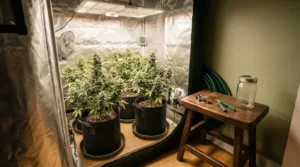
The key is to use all the tools available to you: trichome inspection, pistil observation, breeder timelines, and environmental cues. No single indicator tells the whole story, but together they paint a clear picture.
Whether you are exploring this topic out of curiosity or preparing for your first legal grow, understanding harvest timing is foundational knowledge. For a broader look at plant biology, care schedules, and growing fundamentals, Cannabis Plant Care is a solid starting resource. And if you want to understand how harvesting fits into the full picture, the Cannabis Plant: Complete Beginner to Advanced Guide covers everything from seed to harvest in a structured, approachable way.
Growing any plant well takes observation, patience, and a willingness to keep learning. Cannabis is no different. Trust the process, watch your trichomes, and harvest at the right time — that is the foundation of a successful grow.
Please note: Cannabis cultivation laws vary widely by country, state, and region. This article is written purely for educational purposes. Always check and follow the laws applicable in your area before growing any plant.